A Between Sources series · In production
ATLANTIS
Did anyone look?
Plato’s story, the places people put it, and the seabed nobody has searched. We set out each case, then the record.
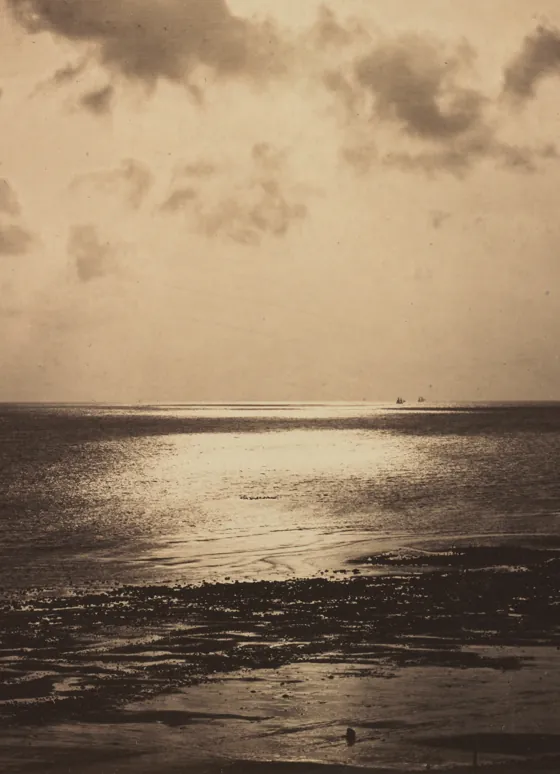
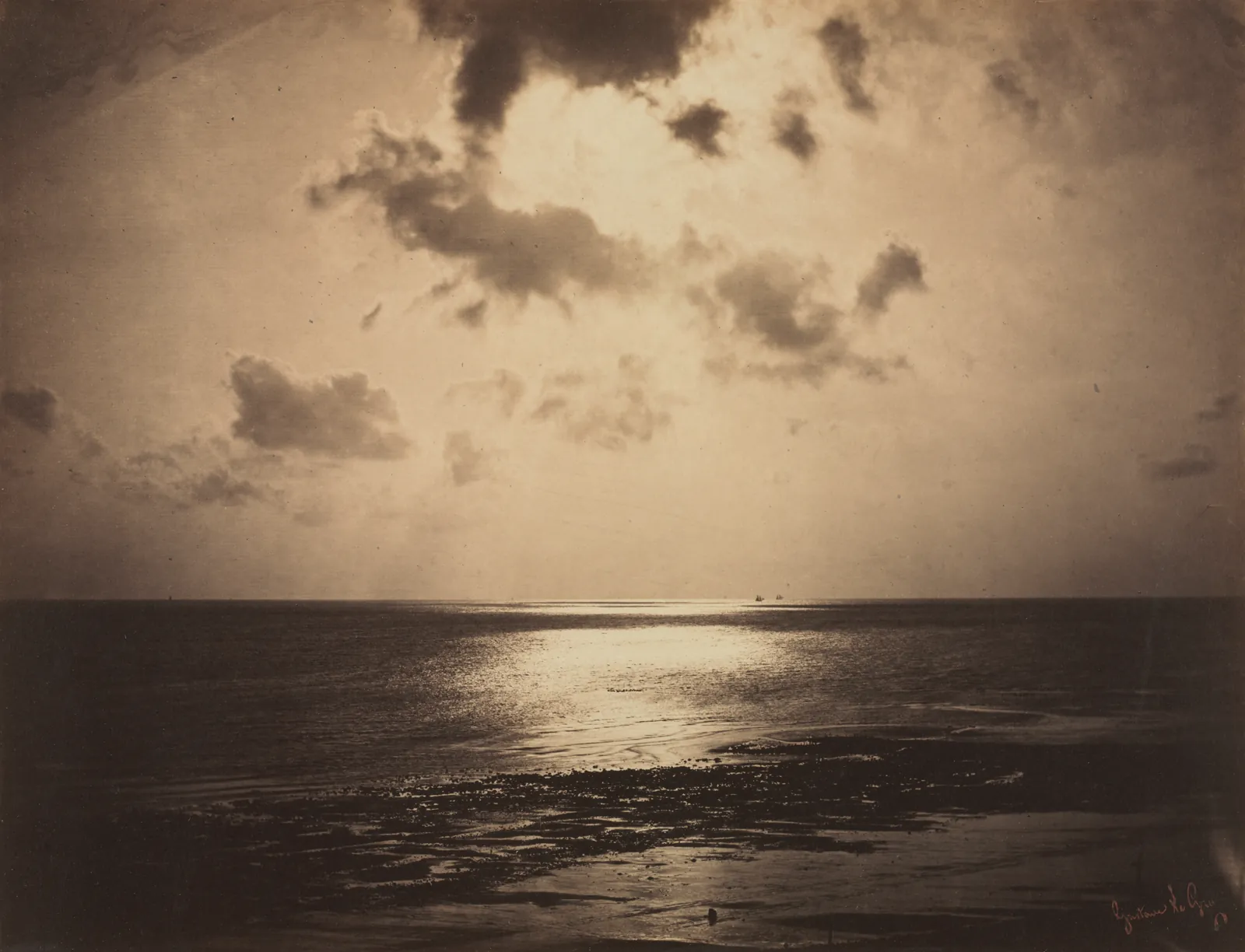
Through the door: Gustave Le Gray, An Effect of the Sun, Normandy (1856), Cleveland Museum of Art. Public domain.
The question the series carries
Did Plato hear this story, or did he make it up? And if he heard it, where would the sea have hidden it, and has anyone looked?
Two and a half thousand years ago a philosopher wrote down a story he said came from Egypt. An island beyond the Pillars of Heracles, a ring-shaped city, a sea empire, and one terrible day and night in which the sea swallowed it. Then, in the middle of a sentence, as the king of the gods stands up to speak, the story stops.
Everyone has a place for it. A Swede found it in Sweden. A pastor found it off Heligoland. Online, millions now see it in a forty-kilometre eye in the Sahara. And off the coast of Cádiz, near the one real place Plato ties to the island, a team of divers says it has found concentric walls under the sea.
ATLANTIS takes the story seriously from both ends. What exactly did Plato write, and who carried it? What does the Earth itself record at his date? Then every serious candidate gets its strongest form, then the record, then what stays open. Along the way we build a list of the places nobody has looked.
The test card, shown whenever a new claim arrives
- Who said it?
- What was measured?
- Has anyone looked?
The series device
The Unsearched
A ledger card styled like an old sea chart: a dark parchment margin, a thin compass rose, one line per entry. Each time an episode meets a place or a question nobody has looked at, one line is written in, with the cheapest way to look.
Every line carries the words “in what we could find”. The last episode goes to Cádiz, where every thread meets, and reads the list.
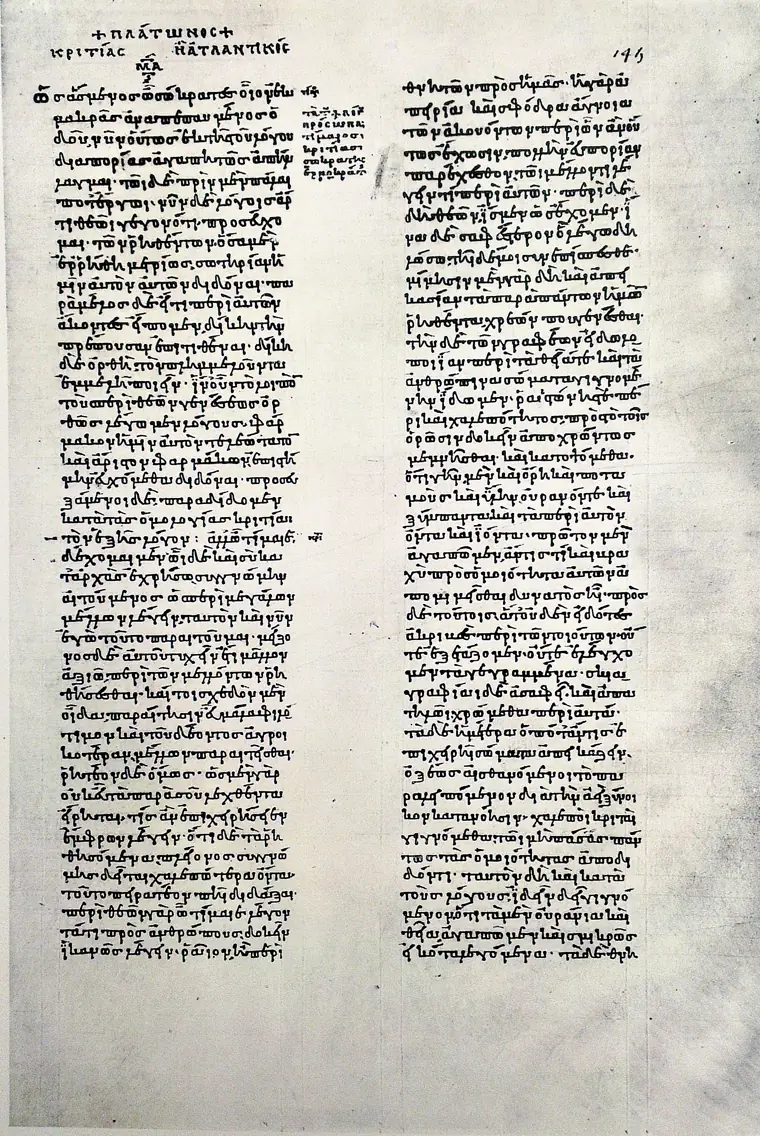
“None the less we must report what we heard.”
Plato’s own hedge, planted in the first episode and returned in the last.
Episodes